Heat Pump HVAC Retrofits for California Apartment Buildings
Replace wall furnaces, PTACs, window AC and old split systems with heat pumps that heat and cool. Here are the equipment paths, what an install in an occupied unit looks like, and what to check on the electrical side.

- California multifamily only
- Owner and manager inquiries
- Incentive check included
- Free, no-obligation assessment
Equipment paths
Most apartment buildings fit one of four paths. The existing system usually decides which.
| Option | Usually replaces | Best fit | What to check |
|---|---|---|---|
| Through-wall heat pump (PTHP) | PTAC units, through-wall AC, some wall heaters | Buildings with existing wall sleeves | Sleeve size must match; some models need a new sleeve or wall work |
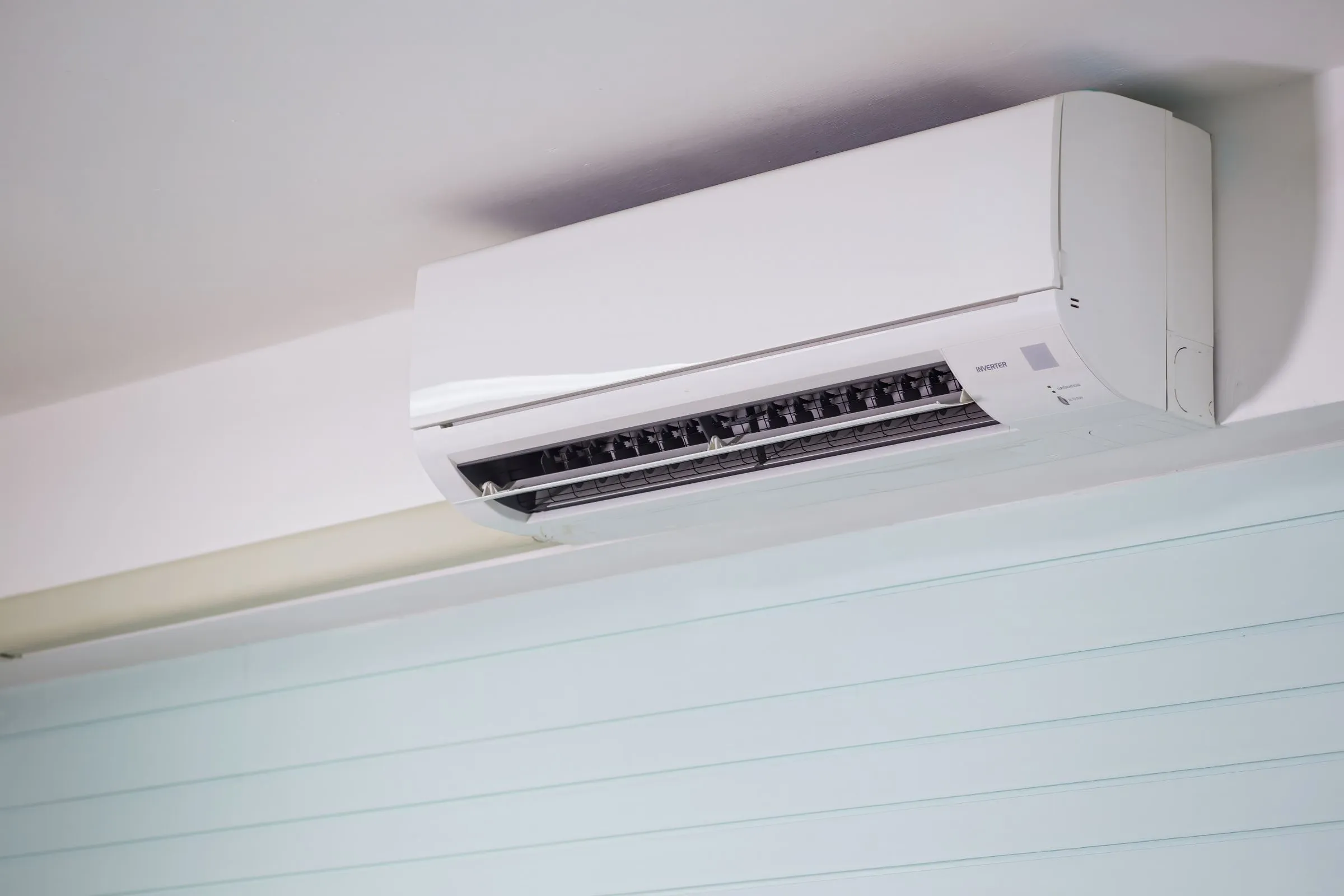
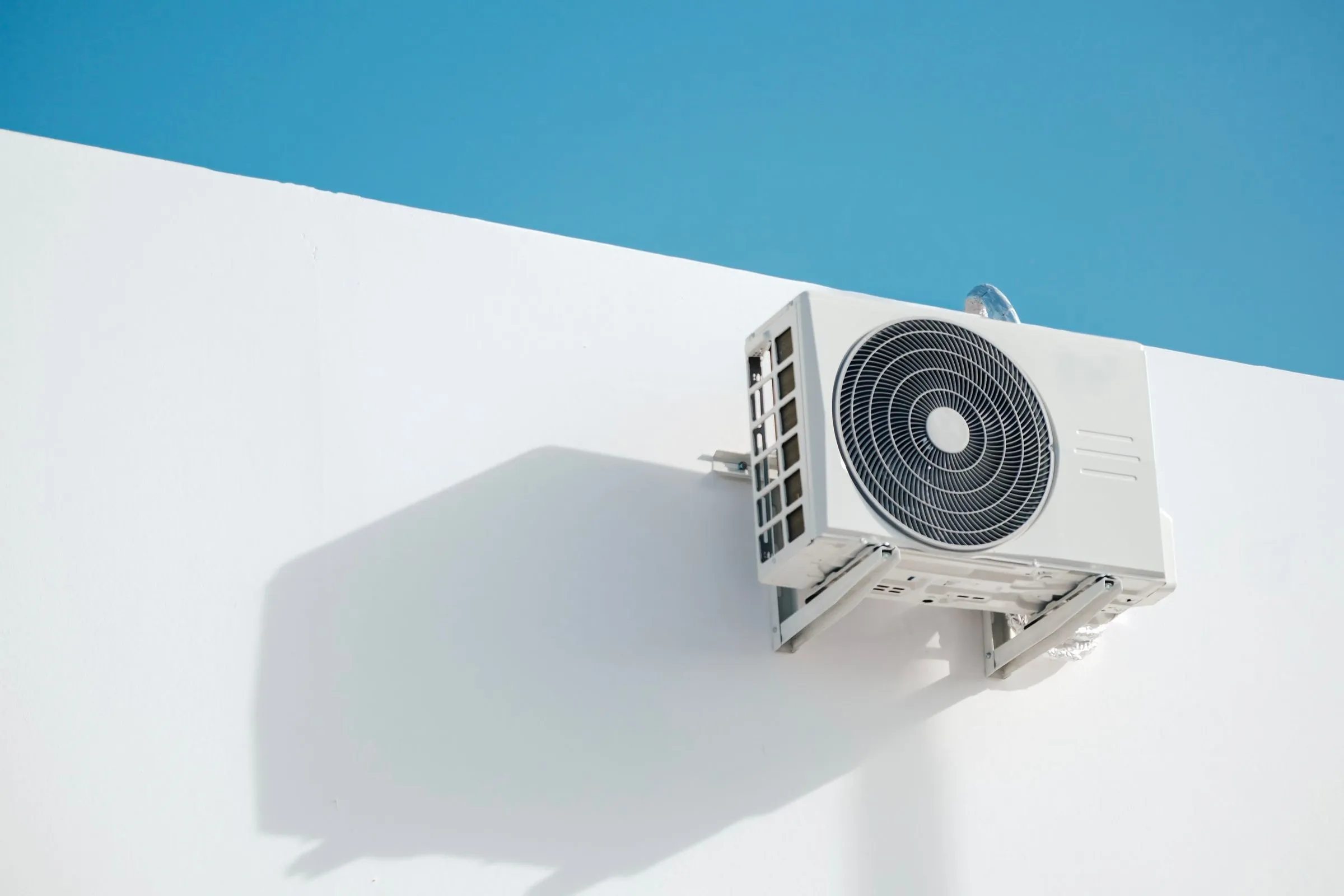
| Ductless mini-split | Wall furnaces, window and through-wall AC, baseboard heat | Units without ductwork | Needs a spot for the outdoor unit and a route for the refrigerant line |
| Ducted split heat pump | Gas furnace and AC split systems | Units or townhomes with existing ducts | Duct condition and sizing should be checked; ducts may need sealing |
| Variable refrigerant flow (VRF) | Central boilers and chillers, or many small systems | Larger buildings planning a central approach | Bigger design job; usually tied to a larger renovation |
Installing in occupied units
Most heat pump retrofits happen while residents are home. A good install plan covers:
- Notice and scheduling for each unit, following California entry-notice rules.
- How long each unit is without heat or cooling, and what residents use in the meantime.
- Where outdoor units, line sets and condensate drains go on the exterior.
- Who removes the old equipment and patches the wall or sleeve.
- A short walkthrough with residents on the new controls.
Vacant-unit turns are a natural moment to swap equipment. Some owners do turns first, then schedule the remaining occupied units.
Electrical capacity at the unit and the building
Replacing gas heat with a heat pump adds electric load. Check two levels before choosing equipment:
- Unit: the panel's rating, spare breaker spaces and the wiring to where the equipment will go.
- Building: the service size and the utility meter setup, if many units convert at once.
Lower-amperage heat pump models and envelope improvements can reduce the load. A licensed electrician or engineer should do the load calculation.
Cooling, comfort and heat
Many older California apartments have heating but no cooling. A heat pump adds cooling with the same equipment. Owners often cite resident comfort, unit turnover and heat-wave risk as reasons to convert, alongside energy and emissions goals.
Incentives
Regional energy networks, utility low-income programs and state weatherization funds have supported heat pump HVAC in multifamily buildings. Availability and terms change. Check the California multifamily energy program directory, and confirm with the program before you budget.
If the building also has a benchmarking report, it can show how much the heating and cooling change matters to the building's overall energy use. See California energy benchmarking.
Get a heat pump retrofit assessment
Tell us what heats and cools the units today. The assessment and quote are free, with no obligation.
Questions before you begin
Can a heat pump replace a wall furnace in an apartment?
Usually, yes. The common replacements are a ductless mini-split or a packaged through-wall heat pump. Which one fits depends on the wall opening, where an outdoor unit can go and the electrical supply to the unit.
Do residents have to move out during the install?
For unit-by-unit ductless or through-wall swaps, usually not. Work is typically scheduled unit by unit with notice. Ducted and central systems can need longer access, so the schedule should be agreed before the contract is signed.
Will the building need an electrical upgrade?
Sometimes. Heat pumps that replace gas heat add electric load. An electrician should check each unit panel and the building service before equipment is chosen, not after.
Does this page cover heat pump water heaters?
No. This page covers space heating and cooling only.
Are there incentives for multifamily heat pump HVAC?
Some California programs support heat pump HVAC in multifamily buildings, especially income-qualified properties. Availability changes, so check the program directory and confirm with the administrator before budgeting.
Free, no-obligation assessment
Request a free assessment
The assessment is free and comes with no obligation. Tell us about the buildings and the upgrades you are weighing; two short steps, and engineering records can come later.
- 1. Property
- 2. Location and contact